Table of Contents
Key Takeaways
- Define Your Long-Term Goals First: Choosing a platform isn’t just about launching today; it’s about where your business will be in three years. Scalability, data ownership, and extensibility are critical factors often overlooked by beginners.
- The “SaaS vs. Open Source” Dilemma: You typically choose between the ease of a closed ecosystem (like Wix) and the freedom of an open one (WordPress). However, modern solutions are bridging this gap, offering managed performance with open-source flexibility.
- Performance is Non-Negotiable: Speed directly impacts SEO and conversion rates. Look for platforms that integrate enterprise-grade hosting (Google Cloud, Cloudflare) rather than generic shared servers.
- AI is a Workflow Accelerator: The best builders now integrate AI not just for writing text, but for strategic planning, wireframing, and even performing complex agentic tasks to save hours of manual work.
- The Ecosystem Matters: A tool is only as good as the solutions surrounding it. Ensure your chosen platform has native solutions for email deliverability, accessibility compliance, and marketing automation to avoid a fragmented tech stack.
With the explosion of “no-code” tools, the market is saturated with options promising instant results. Navigating this landscape requires looking past the marketing buzzwords and understanding the fundamental architecture of these platforms. This guide provides a detailed, expert-level analysis of the leading no-code website builders to help you make an informed decision for your unique needs.
The Strategic Criteria for Evaluation
Before diving into specific platforms, we must establish the standards by which they should be judged. A website is a dynamic business asset, and its foundation must be robust enough to support growth, marketing, and changing technology standards.
1. Data Ownership and Portability
When you build on a proprietary “closed” platform, you are renting land. If that platform raises prices, changes its terms, or removes features, your options are limited. Moving a site away from a closed SaaS (Software as a Service) system is often a difficult, manual process. Conversely, open-source foundations prioritize your ownership of the content and the code, offering true portability.
2. Design Flexibility vs. Template Rigidity
Most builders offer templates, but the question is how far you can deviate from them. Can you adjust the padding of a specific container by a single pixel? Can you introduce custom CSS or dynamic animations? For professionals and brands with specific identity guidelines, “good enough” templates eventually become stifling constraints.
3. Performance and Infrastructure
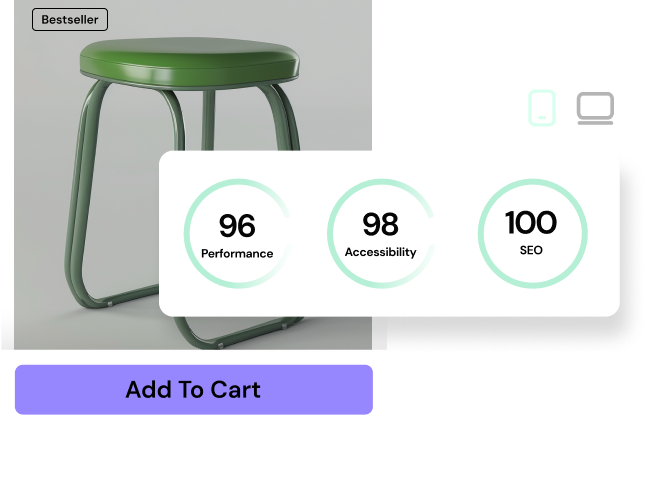
A beautiful site that loads slowly is a liability. The underlying hosting architecture—often hidden from the user in no-code tools—is critical. Does the platform use a Content Delivery Network (CDN)? Is it built on premium cloud infrastructure like Google Cloud? How does it handle image optimization? These technical details dictate your Core Web Vitals scores and SEO ranking.
4. The Ecosystem and Extensibility
No single platform can build every feature natively forever. The strength of a builder often lies in its ability to integrate with third-party tools. A closed ecosystem limits you to the app marketplace of that specific vendor. An open ecosystem allows you to tap into thousands of independent solutions for CRM, booking, logistics, and more.
5. Future-Proofing with AI
Artificial Intelligence has moved beyond simple text generation. In 2025, the leading platforms use AI for strategic site planning, automated accessibility fixes, and “agentic” workflows that perform multi-step maintenance tasks. Your chosen platform should be actively integrating these technologies to keep your workflow competitive.
The Landscape of No-Code Builders
To understand the market, we must objectively analyze the prominent players. Each occupies a specific niche with distinct strengths and trade-offs.
Wix
Wix is a widely used hosted platform known for its drag-and-drop interface. It operates as a closed ecosystem, meaning hosting, security, and tools are all managed internally by Wix.
- Core Function: It provides a highly visual editing experience where elements can be placed anywhere on the canvas.
- Target Audience: It is primarily designed for small business owners, DIYers, and beginners who prioritize ease of use over deep technical customization.
- Ecosystem: Functionality is extended through the Wix App Market. While extensive, users are limited to apps approved and integrated within this proprietary environment.
- Hosting: Sites are hosted on Wix’s proprietary infrastructure. Users cannot migrate their site files to another host; the design and content are tied to the platform.
Squarespace
Squarespace focuses on design-centric, template-driven website creation. It is a fully managed SaaS platform that emphasizes aesthetics and visual consistency.
- Core Function: The editor is section-based, limiting the user to a grid system to ensure designs remain responsive and aligned. This prevents “breaking” the layout but restricts absolute creative freedom.
- Target Audience: It appeals to creatives, photographers, and service providers who need a portfolio or brochure site with minimal setup time.
- Ecosystem: Squarespace offers a curated set of built-in marketing and commerce tools. Third-party integrations are available but are more limited compared to open platforms.
- Hosting: Like Wix, it is a closed garden. Hosting is included, but site portability is restricted.
Webflow
Webflow positions itself as a visual coding tool rather than a traditional drag-and-drop builder. It targets users who understand web design principles like box models and CSS classes.
- Core Function: The interface mirrors a development environment, allowing for granular control over HTML/CSS properties without writing syntax.
- Target Audience: It is built for professional designers and agencies who require high-fidelity animations and complex interactions.
- Ecosystem: It has a CMS and hosting built-in. While it offers more export options than Wix or Squarespace, dynamic content and CMS databases are often tied to Webflow’s hosting environment.
- Hosting: It utilizes AWS and Fastly. It is a powerful stack, but costs increase significantly as bandwidth and CMS items grow.
Shopify
Shopify is a specialized commerce platform designed strictly for online stores. While it includes a website builder, its primary engine is transaction processing and inventory management.
- Core Function: The site builder uses a theme-based approach. Customization of the layout is often limited unless one edits the Liquid code.
- Target Audience: It is intended for merchants whose primary and almost exclusive goal is selling physical or digital goods.
- Ecosystem: It boasts a massive app store for e-commerce specific utilities (shipping, dropshipping, reviews).
- Hosting: It provides a robust, compliant hosting environment specifically tuned for high-transaction volume.
Framer
Framer originated as a prototyping tool and evolved into a website builder. It focuses heavily on interaction design and visual fidelity, similar to design tools like Figma.
- Core Function: The interface is familiar to UI/UX designers, allowing for the direct import of designs from Figma. It prioritizes the “feel” of the site.
- Target Audience: It serves designers who want to publish their portfolios or landing pages directly from their design files.
- Ecosystem: It is currently smaller than the major players, with a focus on visual plugins rather than deep business logic or complex backend functionality.
- Hosting: It offers a managed hosting solution optimized for serving static sites with heavy visual effects.
Elementor: The Comprehensive Website Builder Platform
While the platforms above force a choice between the ease of SaaS and the power of open source, Elementor has strategically evolved to occupy the space between them. It is no longer just a page builder; it is a comprehensive Website Builder Platform that bridges the gap between creative freedom and managed performance.
The “Best of Both Worlds” Architecture
The traditional WordPress experience can be fragmented. Users often have to piece together a host, a theme, a builder, and various plugins, leading to potential conflicts (“plugin bloat”) and a disjointed support experience. Closed platforms like Wix solve this but lock you in.
Elementor’s ecosystem approach integrates the open-source flexibility of WordPress with the unified, optimized environment of a SaaS.
- Creative Engine: The Elementor Website Builder serves as the visual interface, currently powering over 18 million websites.
- Optimized Foundation: Elementor Hosting provides the infrastructure.
- Growth Suite: Native tools for marketing, image optimization, and accessibility are built-in, reducing reliance on third-party vendors.
1. The Creative Engine: Pixel-Perfect Design
At its core, Elementor remains a tool for empowerment. It allows for absolute design control without writing code. Unlike section-based builders that lock you into a grid, Elementor Pro provides freeform design capabilities.
- Granular Control: You can adjust margins, padding, Z-index, and positioning for every element.
- Dynamic Content: It connects visually designed elements to complex data sources, enabling the creation of listing sites, real estate portals, and directories.
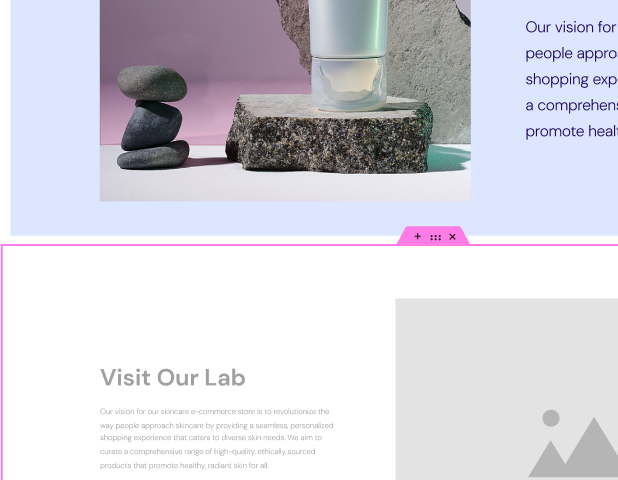
- Theme Builder: Beyond page content, you design the headers, footers, archive pages, and search results templates, ensuring the entire brand experience is cohesive.
2. The Optimized Foundation: Elementor Hosting
Hosting is the engine room of your digital presence. Elementor Hosting is engineered specifically for the Elementor builder, eliminating the common performance bottlenecks found in generic shared hosting.
- Google Cloud Platform: The infrastructure is built on Google’s premium C2 servers, ensuring low latency and high reliability.
- Cloudflare Enterprise CDN: Content is delivered via Cloudflare’s global edge network, drastically reducing load times for international visitors.
- Unified Support: Perhaps the most critical advantage is the elimination of the “blame game.” If an issue arises, a single team supports both the software (the builder) and the hardware (the hosting).
3. AI-Powered Workflows
In 2025, a builder must be intelligent. Elementor has integrated AI across the entire creation lifecycle, not just as a bolt-on feature.
Strategic Planning with AI Site Planner Before a single pixel is placed, the AI Site Planner accelerates the discovery phase. It transforms a simple idea into a structured website brief, sitemap, and interactive wireframe in minutes. This allows freelancers and agencies to lock in project scope with clients rapidly, moving straight to the build phase with a clear blueprint.
Agentic AI with Angie Moving beyond generation, Angie is an Agentic AI assistant that performs multi-step tasks within the WordPress environment.
- Context Aware: Angie understands your specific site structure, plugins, and products.
- Action Oriented: You can command it to “Put the entire summer collection on sale” or “Audit the site for accessibility issues,” and it executes the necessary steps. This multiplies productivity by automating maintenance and routine management.
Elementor AI helps you work smarter, not harder.
4. Performance and Optimization Tools
Speed is a feature. Elementor addresses this with native performance tools designed to work in harmony with the builder.
Image Optimizer by Elementor Large images are the primary culprit for slow websites. The Image Optimizer by Elementor automatically compresses and resizes images upon upload, converting them to next-gen formats like WebP and AVIF. It balances visual quality with file size reduction, ensuring high performance without manual editing.
5. Marketing and Growth Integration
A website must drive business. Fragmented marketing stacks lead to data silos and broken user journeys.
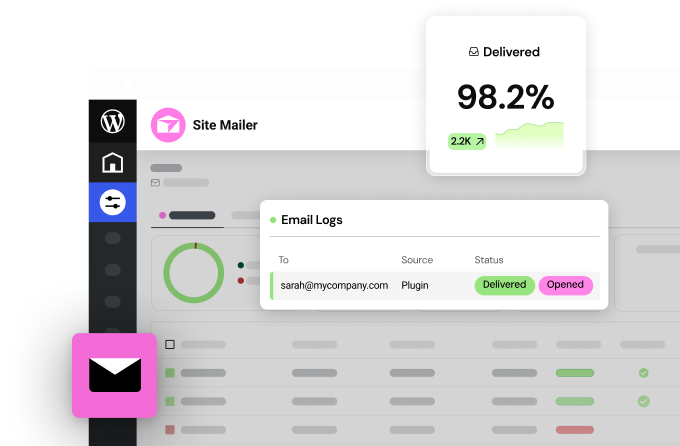
Send by Elementor This is a native marketing automation engine. Send by Elementor allows you to collect leads via Elementor forms and immediately route them into automated email and SMS workflows. Because it is integrated, it eliminates the need for complex connectors or third-party automation tools like Zapier for basic functions. Reliable delivery is further ensured by Site Mailer, which optimizes your email infrastructure.
6. Accessibility and Compliance
Web accessibility is no longer optional; it is a legal and ethical imperative. Ally by Elementor provides a suite of tools to scan, identify, and remediate accessibility violations. It includes an automated assistant to guide you through fixing WCAG compliance issues, ensuring your site is usable by everyone.
Matching the Persona to the Platform
The “best” builder depends entirely on who you are and what you need to achieve. Let’s break down the ideal path for different user types.
For the Small Business Owner & DIYer
If you are a business owner, your goal is a professional presence without a steep learning curve. You need speed and reliability.
- The Challenge: Starting from a blank canvas is intimidating.
- The Solution: The Hello Biz theme.
- How it Works: Hello Biz acts as a launchpad. It is a beginner-friendly theme that includes guided setup wizards and professionally designed “kits.” It allows you to get a polished, high-performance site live quickly, while still retaining the ability to customize it later as your skills grow.
- Why Elementor: Unlike Wix, you own this site. If your business explodes in growth, you can hire a developer to extend it without having to rebuild on a new platform.
For the Professional Web Creator & Freelancer
Your time is money. You need a workflow that is efficient, repeatable, and profitable.
- The Challenge: Managing multiple client projects, handling “scope creep,” and ensuring site performance.
- The Solution: Elementor Pro + AI Site Planner + Elementor Hosting.
- How it Works: Use the AI Site Planner to generate wireframes for client approval instantly. Build the site using the Hello Theme (the “blank canvas” for pros) for total control. Host it on Elementor Hosting to ensure you aren’t fielding calls about slow servers.
- Why Elementor: The Theme Builder allows you to create custom post type templates and dynamic layouts that rival bespoke development, allowing you to charge premium rates for “custom” sites built in half the time.
Deep Dive: E-commerce Capabilities
Building an online store requires a different set of tools. The stakes are higher; downtime means lost revenue.
The WooCommerce Builder WordPress is the most popular e-commerce platform in the world thanks to WooCommerce. Elementor’s WooCommerce Builder allows you to visually design every aspect of the store—product pages, cart pages, checkout flows—without coding.
- Visual Customization: You are not stuck with the standard WooCommerce layout. You can design custom “Add to Cart” buttons, product galleries, and dynamic product grids.
- eCommerce Hosting: Elementor offers specialized hosting plans optimized for WooCommerce, which are tuned to handle the database-heavy queries of an online store.
The Financial Perspective: Cost vs. Value
When comparing prices, it is vital to look at the Total Cost of Ownership (TCO).
The Hidden Costs of “Cheap” Builders Many platforms lure users with low entry prices. However, essential features—like connecting a custom domain, removing ads, or accessing analytics—are often gated behind higher tiers. Furthermore, transaction fees on sales can eat into margins.
The Hidden Costs of Fragmented WordPress Building a “cheap” WordPress site often involves buying a theme ($60), a caching plugin ($40/yr), a security plugin ($100/yr), an image optimizer ($10/yr), and generic hosting ($10-$30/mo). The costs add up, and the management burden is high.
The Unified Value Proposition Elementor’s pricing model bundles these essentials. By combining the Pro builder, hosting, security, and CDN, the effective monthly cost often undercuts the aggregate cost of piecing together a similar stack manually. Plus, the value of having a single support team cannot be overstated—time spent debugging is time lost earning.
Get Started with Elementor or claim your Free Domain today to begin building.
Future Trends in Web Creation
As we look toward the latter half of the decade, several trends are shaping how we choose tools.
1. The Rise of Agentic AI We are moving from “Help me write this” to “Do this for me.” Platforms that integrate agentic AI (like Elementor’s Angie) will dominate because they fundamentally alter the economics of web management. The ability to offload technical audits and bulk updates to an AI agent will become a standard expectation.
2. Performance as a Ranking Factor Google’s Core Web Vitals are becoming stricter. Platforms that rely on heavy, unoptimized code will see their user’s search rankings suffer. The integration of server-level optimization (like Cloudflare Enterprise) directly into the builder’s hosting offering is a response to this reality.
3. The End of the “Page Builder” Era We are no longer building pages; we are building systems. The distinction between a “page builder” and a “CMS” is blurring. The winning tools are those that allow visual manipulation of complex data structures (Dynamic Content), not just static text and images.
Conclusion
Choosing a no-code website builder is not about finding the tool with the prettiest templates; it is about finding a partner for your digital growth.
For those who want a completely hands-off experience and are willing to sacrifice ownership and flexibility, closed platforms like Wix or Squarespace offer a valid path. They are capable tools for specific use cases.
However, for those who value the freedom of open source, the power of data ownership, and the ability to scale without limits, the Elementor ecosystem stands alone. It successfully merges the robustness of a managed platform with the infinite potential of WordPress. By providing a unified stack—from the AI Site Planner for strategy to Elementor Hosting for performance and Send for growth—it offers a comprehensive solution that empowers creators to build not just websites, but sustainable digital businesses.
Whether you are a freelancer building your hundredth site or a business owner launching your first, the goal is the same: to create something that lasts. Elementor provides the foundation to do exactly that.
Frequently Asked Questions
1. Is Elementor strictly for professionals, or can beginners use it effectively? Elementor is designed to scale with your skill level. For beginners, the Hello Biz theme and the drag-and-drop editor provide an intuitive, code-free experience similar to other popular builders. However, unlike simple builders, it doesn’t limit you; as you learn, you can unlock advanced features like dynamic content and custom CSS, making it a tool you won’t outgrow.
2. How does Elementor Hosting differ from standard WordPress hosting? Elementor Hosting is a “managed” service, meaning the technical aspects of the server are handled for you. Unlike generic shared hosting, the infrastructure is specifically tuned for Elementor’s architecture. It uses Google Cloud C2 servers and Cloudflare Enterprise CDN to ensure high performance and includes premium security features like DDoS protection and a WAF, which are often paid add-ons with other providers.
3. Can I move my Elementor site to another host if I choose? Yes. This is a fundamental advantage of Elementor over closed platforms like Wix or Squarespace. Because Elementor is built on open-source WordPress, you own your data and files. You can export your entire site and migrate it to any hosting provider that supports WordPress, giving you complete data portability and peace of mind.
4. What is the difference between the Free and Pro versions of Elementor? The Free version is a robust page builder that allows you to design standard pages and posts with over 40 widgets. Elementor Pro unlocks the full “Website Builder” capabilities, including the Theme Builder (to design headers, footers, and archives), the WooCommerce Builder (for online stores), the Popup Builder, and advanced dynamic content features essential for professional sites.
5. How does the AI integration in Elementor help with website creation? Elementor’s AI is integrated directly into the workflow. The AI Site Planner helps you generate sitemaps and wireframes to plan your site strategy. Inside the editor, AI helps generate and refine text, create custom code snippets, and even generate or edit images. Angie, the agentic AI, can perform site-wide tasks like audits or bulk updates, acting as an automated assistant.
6. Do I need separate plugins for email marketing and backups? Not necessarily. The Elementor ecosystem is designed to reduce plugin bloat. Elementor Hosting includes automated daily backups. For marketing, Send by Elementor provides integrated email marketing and automation directly within your dashboard. Site Mailer ensures reliable email delivery, often replacing the need for external SMTP plugins.
7. Is Elementor good for SEO? Yes, Elementor is highly optimized for SEO. It generates clean code and allows full control over HTML tags (H1, H2, etc.). When combined with Elementor Hosting and the Image Optimizer plugin, it delivers the high speeds and Core Web Vitals scores that Google prioritizes. It also integrates seamlessly with popular SEO plugins like Yoast or RankMath.
8. Can I build an online store with Elementor? Absolutely. Elementor’s WooCommerce Builder allows you to customize every part of your WooCommerce store visually. You can design custom product pages, cart layouts, and checkout experiences that align perfectly with your brand, moving far beyond the standard, rigid WooCommerce templates.
9. What happens if I stop paying for Elementor Pro? If you stop renewing your license, your website remains live and visible to visitors. You retain the design and content you created. However, you will lose access to the Pro widgets for editing, updates, and premium support. It is a “keep what you build” model, unlike some SaaS platforms where stopping payment takes your site offline.
10. How does Elementor handle web accessibility? Elementor takes accessibility seriously. The Ally by Elementor plugin is a dedicated tool that helps you scan your site for WCAG compliance issues and offers AI-guided remediation to fix them. It also provides a frontend accessibility widget for users to adjust text size and contrast, helping you build a more inclusive web presence.
Citation: Expert insights and analysis provided by Itamar Haim.
Looking for fresh content?
By entering your email, you agree to receive Elementor emails, including marketing emails,
and agree to our Terms & Conditions and Privacy Policy.