Table of Contents
With dozens of platforms promising to be the “easiest” or “fastest,” how do you define which one is truly the most effective? Effectiveness goes beyond a simple drag-and-drop interface. It encompasses the ability to execute a unique vision without compromise, ensuring that the site loads instantly for users on any device, and guaranteeing that the business behind the site isn’t locked into a proprietary system that stifles growth. This guide cuts through the marketing noise to analyze the top contenders and identify the most effective solution for serious web creators.
Key Takeaways
- Effectiveness is Multidimensional: True effectiveness isn’t just about ease of use; it requires a balance of design freedom, performance, scalability, and data ownership.
- The “Best of Both Worlds” is Ideal: The most powerful solutions combine the convenience of SaaS (hosting, support) with the flexibility of open-source platforms (WordPress).
- AI is a Workflow, Not a Gimmick: Effective AI tools don’t just generate text; they plan site architecture, build wireframes, and automate complex tasks (Agentic AI).
- Performance Equals Revenue: In 2025, speed is non-negotiable. Integrated cloud hosting and CDNs are critical for SEO and user retention.
- Data Ownership is Critical: As businesses scale, owning your content and code becomes a vital asset, distinguishing open platforms from closed “walled gardens.”
The Rise of No-Code and the Shift in Expectations
A few years ago, “no-code” was synonymous with “simple.” If you wanted a professional, complex website, you hired a developer. If you wanted a DIY site, you used a builder and accepted the limitations.
In 2025, that distinction has evaporated. No-code tools are now capable of producing enterprise-grade applications, high-performance eCommerce stores, and pixel-perfect design portfolios. The expectation has shifted from “making it look good” to “making it work perfectly.” Users now demand:
- Granular Design Control: The ability to manipulate every pixel, not just swap templates.
- Enterprise Infrastructure: Hosting that rivals tech giants, included by default.
- Integrated Marketing: Tools that close the loop between visitor acquisition and customer retention.
- AI as a Partner: Intelligent assistants that handle strategy and code, not just copy.
This shift has separated the market into two distinct categories: the closed “all-in-one” SaaS platforms and the open, integrated ecosystems.
Defining “Effectiveness” in 2025
To objectively evaluate which builder is the most effective, we must establish clear criteria. Effectiveness is the sum of four key pillars:
1. Design Freedom
Can you build exactly what you envision? Does the platform force you into a grid, or does it allow for absolute positioning, Flexbox containers, and custom CSS when needed?
2. Performance and Infrastructure
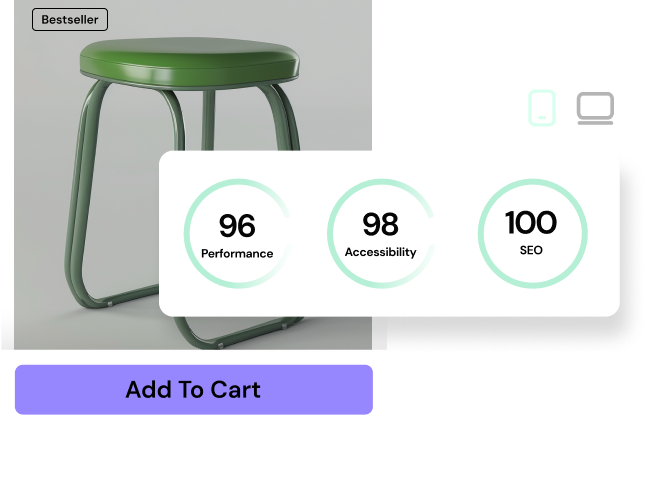
How fast does the final site load? Is the hosting integrated? Does it use a Content Delivery Network (CDN)? Performance is directly tied to SEO rankings and conversion rates.
3. Scalability and Extensibility
What happens when the business grows? Can you add complex functionality like a booking engine, a membership area, or a custom database? Are you limited to the platform’s native features, or can you tap into a third-party ecosystem?
4. Data Ownership and Portability
Who owns the site? If you need to move to a different host or platform, can you take your content and design with you? Or is your business “rented” from the platform?
The Competitor Landscape: A Functional Analysis
Let’s examine the major players in the market through these lenses.
Wix: The Visual SaaS Builder
Wix utilizes an unstructured drag-and-drop editor that allows users to place elements anywhere on the canvas. This offers a high degree of visual freedom for beginners, as elements are not bound by a strict grid.
- Ecosystem: It relies on a proprietary App Market for adding functionality.
- Technical Context: It is a closed SaaS system. Users cannot access the underlying server files or database.
- Pros: Extremely easy for beginners to start; wide variety of templates.
- Cons: Absolute positioning can lead to responsive design challenges; difficult to migrate data away from the platform.
Squarespace: The Curated Design Platform
Squarespace uses a structured grid system. Elements snap into predefined rows and columns, ensuring that designs remain consistent and mobile-responsive by default.
- Target Audience: Often utilized by creatives and photographers who need high-aesthetic portfolios with minimal maintenance.
- Ecosystem: Features are largely built-in, with a focus on curated design over deep extensibility.
- Pros: Beautiful, polished templates; difficult to “break” the design.
- Cons: Limited customization flexibility; users are confined to the platform’s design logic.
Webflow: The Visual Code Editor
Webflow mirrors the structure of writing HTML and CSS visually. It uses a box model approach where users manipulate classes, divs, and flex containers.
- Target Audience: Professional designers who understand web development concepts but prefer a visual interface.
- Ecosystem: Offers a CMS for dynamic content and limited eCommerce functionality.
- Pros: Clean code export; high level of design control for those who know web design principles.
- Cons: Steep learning curve for non-technical users; CMS and eCommerce features are less robust than dedicated platforms.
The Open Source vs. SaaS Dilemma
The fundamental choice for web creators has always been between the convenience of SaaS (Software as a Service) and the power of Open Source.
SaaS (e.g., Wix, Squarespace) offers a “walled garden.” You get hosting, support, and the builder in one package. It’s convenient, but you trade ownership. You are renting your digital presence. If the platform raises prices or removes a feature, you have little recourse.
Open Source (e.g., WordPress) offers freedom. You own the code. You can move it anywhere. The ecosystem of plugins is vast. However, the traditional downside was fragmentation: you had to buy hosting from Company A, a theme from Company B, and plugins from Company C. When something broke, they blamed each other.
The Most Effective Solution bridges this gap. It provides the managed, unified experience of a SaaS platform while retaining the infinite power and ownership of Open Source.
The Elementor Solution: The Best of Both Worlds
Elementor has strategically evolved from a simple page builder into a comprehensive Website Builder Platform. It effectively occupies the “sweet spot” in the market, offering the ease of use and integrated support of a SaaS tool, while being built on the open-source foundation of WordPress.
This ecosystem is composed of four integrated layers that work together to deliver maximum effectiveness.
1. The Creative Engine: Visual Power Meets Professional Control
At its core, the Elementor Website Builder is a visual design engine that allows for pixel-perfect creation without coding.
- Granular Control: Unlike block editors or structured grids, Elementor allows users to manipulate every aspect of a design—margins, padding, Z-index, motion effects, and responsive behaviors.
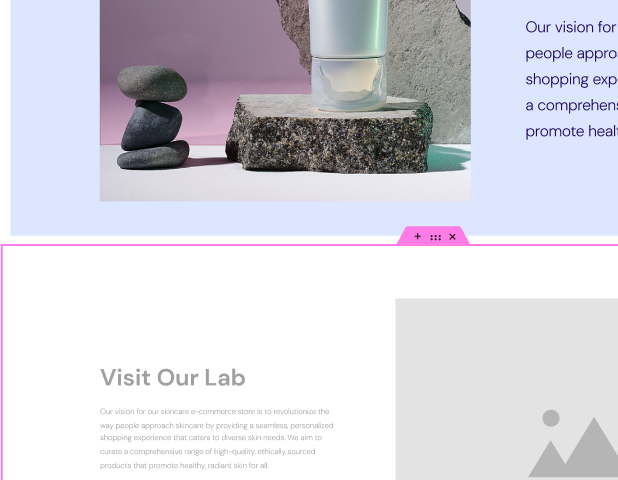
- Theme Builder: A critical differentiator is the ability to design the entire website structure, including headers, footers, archives, and single post templates, visually.
- Flexibility: It creates a bridge between beginner ease and professional depth. A novice can drag and drop widgets, while a developer can add custom CSS to any element.
- Elementor Pro: This premium tier unlocks advanced capabilities like the Popup Builder, Form Builder, and dynamic content features, essential for professional sites.
2. The Optimized Foundation: Elementor Hosting
For years, the “catch” with WordPress was managing hosting. Elementor Hosting solves this by providing a managed environment specifically engineered for the builder.
- Google Cloud Infrastructure: The platform is built on the Google Cloud Platform (C2 machines) and utilizes the Cloudflare Enterprise CDN. This ensures enterprise-grade speed and reliability.
- Unified Support: Issues are resolved by a single team. There is no finger-pointing between the host and the plugin developer.
- Security: Features like DDoS protection, a Web Application Firewall (WAF), and premium SSL are built-in, removing the need for complex security plugins.
3. The AI-Powered Workflow Revolution
In 2025, AI is not a novelty; it is a workflow necessity. Elementor AI is integrated directly into the creative process, acting as a force multiplier.
- AI Site Planner: This tool moves the creation process upstream. Instead of starting with a blank canvas, users can generate a comprehensive site architecture, wireframes, and initial content strategy in minutes.
- In-Context Editing: Inside the editor, the AI acts as a “copilot.” It can rewrite copy to match a brand tone, generate custom CSS code for unique styling, or create and expand images natively.
- Angie (Agentic AI): Moving beyond generation, “Angie” represents the future of agentic workflows, capable of performing multi-step tasks within the WordPress environment, essentially automating the role of a junior developer.
4. The Growth and Utility Ecosystem
Building the site is only step one. A truly effective platform must help the business grow.
- Send by Elementor: This native email marketing solution allows creators to design newsletters and automations using the same visual interface they use for their website. It unifies the design language and data between the site and the marketing campaigns.
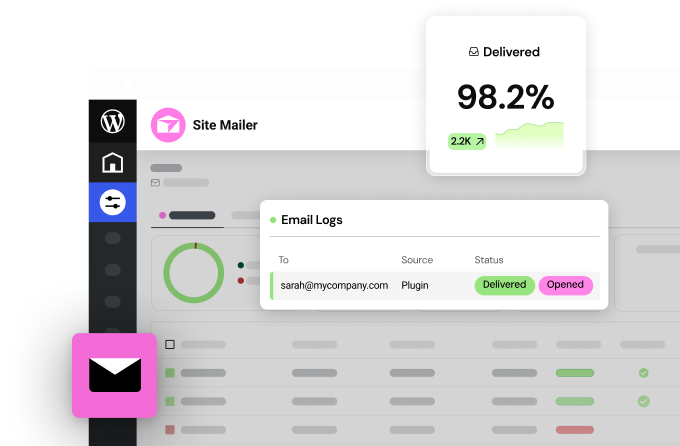
- Site Mailer: A critical utility that solves the notorious issue of WordPress email deliverability (transactional emails going to spam) without complex SMTP setups.
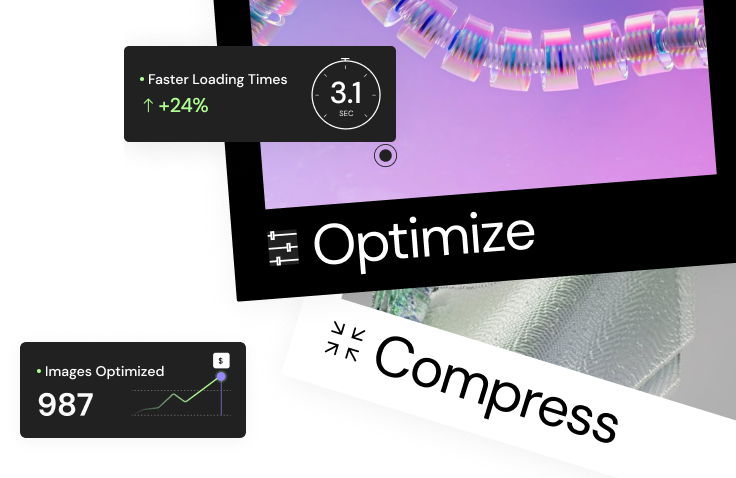
- Image Optimizer: Automatically compresses and converts media to next-gen formats (WebP/AVIF), ensuring that visual richness doesn’t compromise site speed.
- Ally by Elementor: A tool designed to scan and remediate accessibility issues, ensuring sites are inclusive and compliant with global standards.
Deep Dive Comparison: Why This Approach is More Effective
Let’s break down the effectiveness of this “Platform” approach against specific operational goals.
Design Freedom: Canvas vs. Grid
When you choose a builder, you are choosing a philosophy.
- Wix: Offers total freedom but at the cost of structure. Moving an element five pixels to the right on desktop might break the layout on tablet.
- Squarespace: Offers total structure but at the cost of freedom. You cannot break the grid, but you also cannot create something truly unique outside of it.
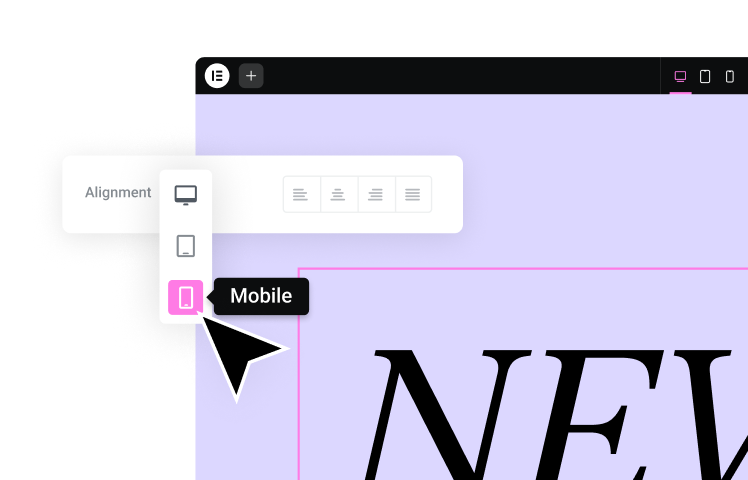
- Elementor: Uses a “Container” system based on Flexbox. This is the professional standard for web design. It allows for fluid, responsive layouts that adapt perfectly to any screen size. You have the freedom to position elements precisely, but within a logical structure that maintains integrity across devices.
Video: Elementor Containers Explained
Performance: Cloud vs. Shared
Most budget WordPress hosting is “shared,” meaning your site fights for resources with thousands of others.
- Competitors: SaaS platforms manage this well, but you have no control over the infrastructure.
- Elementor Hosting: By utilizing Google Cloud’s premium tier, Elementor ensures that every site—whether a portfolio or a large WooCommerce store—has the computing power to load instantly. The integration of Cloudflare Enterprise adds a global layer of speed and security that would typically cost hundreds of dollars a month if purchased separately.
Video: Performance Optimization Guide
Scalability: App Stores vs. The Open Web
- SaaS Limits: If you need a specific feature in Wix or Squarespace, you must check their App Market. If it doesn’t exist, you are stuck.
- WordPress Power: With Elementor, you are tapping into the WordPress ecosystem. There are over 60,000 plugins available. Need a complex real estate listing engine? A specific learning management system (LMS)? A medical booking integration? It exists. This extensibility makes Elementor the most effective choice for businesses that plan to evolve.
Data Ownership: The Ultimate Insurance
This is arguably the most critical factor for long-term effectiveness.
- The Trap: When you build on a closed SaaS platform, you cannot export your website’s code. If you leave, you leave your design behind. You can export text (CSV), but the site itself is gone.
- The Freedom: Elementor and WordPress are open source. You own the code. You own the database. You can download a backup of your entire site and move it to any server in the world. In an era of digital volatility, owning your digital asset is a non-negotiable requirement for serious businesses.
Use Cases: Who Benefits Most?
The Small Business Owner
For the local business or entrepreneur, time is money.
- The Solution: The Hello Biz theme provides a “guided” starting point. It’s not just a template; it’s a business-ready structure. Combined with Elementor Hosting, a business owner can launch a professional, secure site in an afternoon without touching a line of code.
- Effectiveness: High speed to market with low technical debt.
The Digital Agency
Agencies need to manage hundreds of client sites efficiently.
- The Solution: Elementor serves as a standardized production line. The AI Site Planner accelerates the client onboarding and wireframing phase. The Elementor Library allows agencies to save and reuse their own custom design kits.
- Effectiveness: Scalable production, unified billing, and a consistent toolset for the entire team.
The eCommerce Brand
Online stores require distinct features: speed, reliability, and marketing integration.
- The Solution: The WooCommerce Builder allows for the complete visual customization of the checkout, cart, and product pages—areas that are usually locked down in other themes. Ecommerce Hosting ensures the transaction flow is secure and fast.
- Effectiveness: Higher conversion rates through custom user journeys and reliable infrastructure.
Video: Building a Custom WooCommerce Store
Future Trends: The Agentic Web
Looking ahead to the rest of 2025, the definition of a website builder is expanding further. We are moving from “Generative AI” (creating text/images) to “Agentic AI” (performing tasks). Elementor’s introduction of Angie signals this shift. Imagine telling your website builder, “Create a landing page for the Black Friday sale, add a countdown timer, and set up an email automation for signups.” An agentic tool doesn’t just write the copy; it builds the page, installs the necessary widgets, and connects the backend logic. This is the future of effective web creation—where the human provides the strategy, and the AI handles the execution.
Furthermore, accessibility is becoming a legal and ethical standard. Tools like Ally are essential for ensuring that the web remains open to everyone. An effective builder must solve for inclusivity natively, not as an afterthought.
Video: Ally by Elementor Overview
Conclusion
When asking “which no-code website builder is most effective,” the answer depends on your definition of success. If success is merely “getting a page online quickly,” almost any tool will suffice. However, if success means building a sustainable, high-performance digital asset that you fully own and control, the field narrows significantly.
Elementor stands out as the most effective solution for 2025 because it refuses to compromise. It does not force you to choose between the ease of SaaS and the power of Open Source. It gives you the Elementor Website Builder for creative freedom, Elementor Hosting for peace of mind, and a suite of integrated tools like Elementor AI and Send to drive growth.
In a digital world defined by rapid change, the most effective tool is the one that adapts with you. By building on a platform that values ownership, extensibility, and performance, you are future-proofing your business against whatever 2026 brings.
10 Questions and Answers About Effective Website Builders
1. Is WordPress still relevant for no-code building in 2025? Absolutely. WordPress powers over 40% of the web. When combined with a platform like Elementor, it offers the most robust, scalable, and “future-proof” no-code experience available, far surpassing the limitations of closed proprietary systems.
2. Why is “data ownership” such a big deal for a small business? Data ownership is your insurance policy. If a proprietary platform doubles its prices, changes its algorithm, or shuts down, you could lose your entire business presence. With open-source platforms, you own your files and database, allowing you to move your site to any host at any time.
3. Do I need to be a designer to use Elementor effectively? No. While it offers professional-grade tools, features like the Hello Biz theme and full site kits allow beginners to start with a polished foundation. The AI Site Planner also helps structure your site logically without design experience.
4. How does Elementor Hosting differ from generic cheap hosting? Generic hosting is often “shared,” meaning your site competes for resources with thousands of others, leading to slowness. Elementor Hosting is built on Google Cloud Platform C2 instances, specifically optimized for Elementor’s code, ensuring consistently high speeds and reliability.
5. Can I build a large eCommerce store with a no-code builder? Yes. Elementor Pro includes a dedicated WooCommerce Builder. This allows you to visually design complex product pages, cart flows, and archive layouts. When paired with robust hosting, it can scale to handle thousands of products and high traffic volumes.
6. What is “Agentic AI” and why does it matter? Generative AI creates content (text/images). Agentic AI performs actions. Tools like Angie can execute complex workflows—like building pages or auditing sites—saving you hours of manual labor. It shifts the user’s role from “builder” to “director.”
7. Is Elementor strictly for WordPress? Yes, Elementor is a platform built on top of WordPress. This is its strength, as it inherits the massive ecosystem of WordPress plugins and themes while providing a modern, visual interface for creation.
8. How does site speed affect my business revenue? Directly. Google studies show that as page load time goes from 1 second to 3 seconds, the probability of a bounce (user leaving) increases by 32%. Fast sites rank higher in SEO and convert more visitors into customers.
9. What if I need a feature that isn’t in Elementor? This is the beauty of the ecosystem. Because it runs on WordPress, you can install any of the 60,000+ available plugins to add functionality—from booking systems to learning management platforms—seamlessly integrating them with your Elementor design.
10. Is it worth paying for the “Pro” version of a builder? For any serious business, yes. The free versions are great for testing, but Elementor Pro unlocks the essential marketing, design, and commerce features (popups, forms, dynamic content) required to build a fully functional, lead-generating website.
Citation: Itamar Haim
Looking for fresh content?
By entering your email, you agree to receive Elementor emails, including marketing emails,
and agree to our Terms & Conditions and Privacy Policy.